


How Space Frame Systems Enhance Architectural Freedom

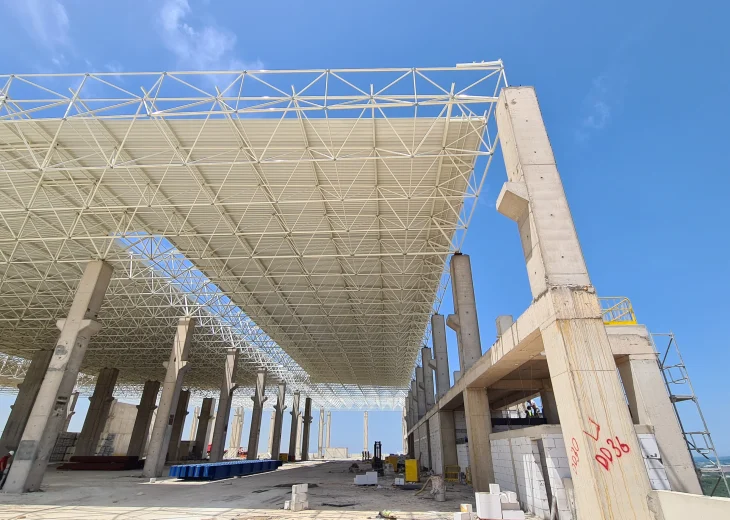
Modern architecture increasingly demands structures that are not only functional but also visually striking, flexible, and expressive. As architects push the boundaries of form and scale, structural systems must evolve to support these ambitions without compromising safety or efficiency.
Space frame systems play a critical role in enabling architectural freedom, offering designers the flexibility to create wide spans, complex geometries, and iconic forms that would be difficult to achieve with conventional structural systems.
The Relationship Between Structure and Architecture
In architectural design, structure is no longer just a supporting element—it is often an integral part of the visual identity of a building. Structural systems that impose rigid layouts or frequent columns can significantly limit design possibilities.
Space frame systems overcome these limitations by:
-
Distributing loads in multiple directions
-
Reducing the need for internal supports
-
Allowing adaptable geometries
This makes them ideal for projects where open space and visual continuity are essential.
Large Column-Free Spaces
One of the most significant architectural advantages of space frame systems is their ability to create large, unobstructed interior spaces.
Architectural Benefits
-
Clear sightlines in public buildings
-
Flexible interior layouts
-
Improved circulation and user experience
This is especially valuable in:
-
Airport terminals
-
Shopping malls and atriums
-
Sports and entertainment venues
By eliminating intermediate columns, architects gain full control over spatial organization and interior design.
Freedom of Form and Geometry
Space frame systems are inherently suited to non-orthogonal and free-form designs. Unlike traditional beam-and-column systems, space frames can easily adapt to:
-
Curved and spherical surfaces
-
Domes and vaults
-
Irregular or asymmetric forms
-
Complex roof geometries
This flexibility allows architects to explore bold concepts while maintaining structural efficiency.
Integration with Glass and Facade Systems
Space frame systems integrate seamlessly with glass, ETFE, and lightweight façade materials, making them ideal for daylight-driven architectural designs.
Key Advantages
-
Uniform load transfer to glazing systems
-
Enhanced natural lighting
-
Reduced reliance on artificial lighting
The result is architecture that feels open, transparent, and connected to its surroundings.
Structural Efficiency Supporting Design Intent
Architectural freedom must be supported by structural efficiency. Space frame systems achieve this by:
-
Optimizing material usage
-
Reducing structural weight
-
Improving span-to-depth ratios
This efficiency allows architects to realize ambitious designs without excessive material consumption or visual bulk.
Customization for Project-Specific Designs
Every architectural project has unique requirements. Space frame systems can be custom-engineered to suit:
-
Project-specific spans and loads
-
Local climate and environmental conditions
-
Aesthetic goals and architectural language
This level of customization ensures that structural design enhances, rather than restricts, architectural creativity.
Performance Without Compromise
While architectural freedom is a key benefit, space frame systems do not compromise on performance. Properly engineered systems offer:
-
High structural stability
-
Excellent resistance to wind and seismic loads
-
Long-term durability and reliability
These qualities are essential for landmark buildings and public structures where safety and performance are paramount.
ATRDIM’s Collaborative Design Approach
At ATRDIM, architectural freedom is achieved through close collaboration between engineers and designers. Our approach includes:
-
Structural optimization aligned with architectural intent
-
Detailed engineering and constructability review
-
Seamless integration of structure and envelope
By working closely with project stakeholders, we help transform architectural vision into buildable, high-performance space frame structures.
Conclusion
Space frame systems empower architects to design bold, open, and expressive structures without compromising structural integrity. By enabling large spans, complex geometries, and seamless integration with modern materials, these systems play a vital role in shaping contemporary architecture.
When combined with expert engineering and precise execution, space frame systems become a powerful tool for delivering architectural freedom with long-term performance.